MENU
PL | PLN

PL | PLN
-
- Wszystkie wirówki
- Wirówki stołowe
- Wirówki podłogowe
- Wirówki z chłodzeniem
- Mikrowirówki
- Wirówki wielofunkcyjne
- Wirówki wysokoobrotowe
- Ultrawirówki
- Koncentrator
- Wyroby do diagnostyki in vitro
- Materiały zużywalne do wirówek wysokoobrotowych i ultrawirówek
- Probówki wirówkowe
- Płytki wirówkowe
- Oprogramowanie do zarządzania urządzeniami
- Zarządzanie próbkami i informacjami
-
- Wszystkie pipety, dozowniki oraz automatyczne urządzenia do pracy z cieczami
- Pipety mechaniczne
- Pipety elektroniczne
- Pipety wielokanałowe
- Pipety z wyporem bezpośrednim i dozowniki
- Końcówki do pipet
- Dozowniki butelkowe
- Pipetory
- Dozowniki i akcesoria do pipet
- Pipetowanie automatyczne
- Materiały eksploatacyjne do urządzeń automatycznych
- Akcesoria do urządzeń automatycznych
- Systemy do pracy z cieczami i serwisowanie pipet
Sorry, we couldn't find anything on our website containing your search term.
Sorry, we couldn't find anything on our website containing your search term.
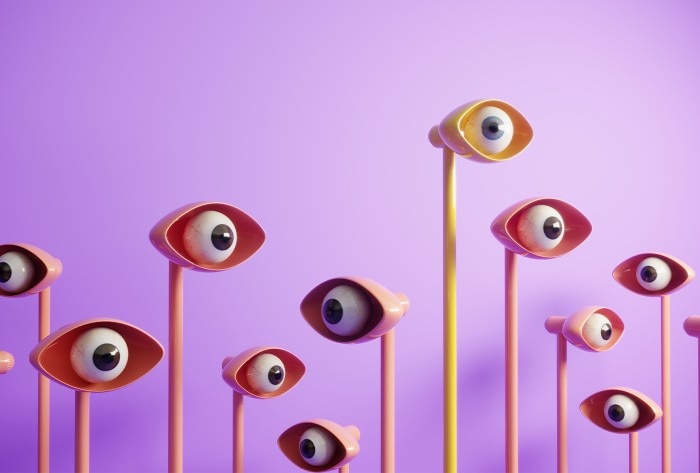
Experience Wins
Odkrywaj Life Science
- Życie w laboratorium
- Off the Bench
- Inspirująca nauka
Which is better: a doctor or artificial intelligence? A study delivers surprising results.
These days, artificial intelligence (AI) is already being utilized in multiple areas of medical diagnostics. Researchers at the University of Cambridge have asked the question: is AI superior to doctors? In their study, the language model GPT-4 by OpenAI competed against physicians from the field of ophthalmology, with the goal of assessing 87 different eye conditions. The result: AI was superior to doctors with little experience when it came to diagnostics and treatment recommendations. Only the experienced specialists were more accurate than the algorithm. According to lead author Arun Thirunavukarasu, AI could be most helpful in those areas that lack specialists; for example, to decide whether an eye problem should be treated by a family doctor or a specialist.
Warto przeczytać